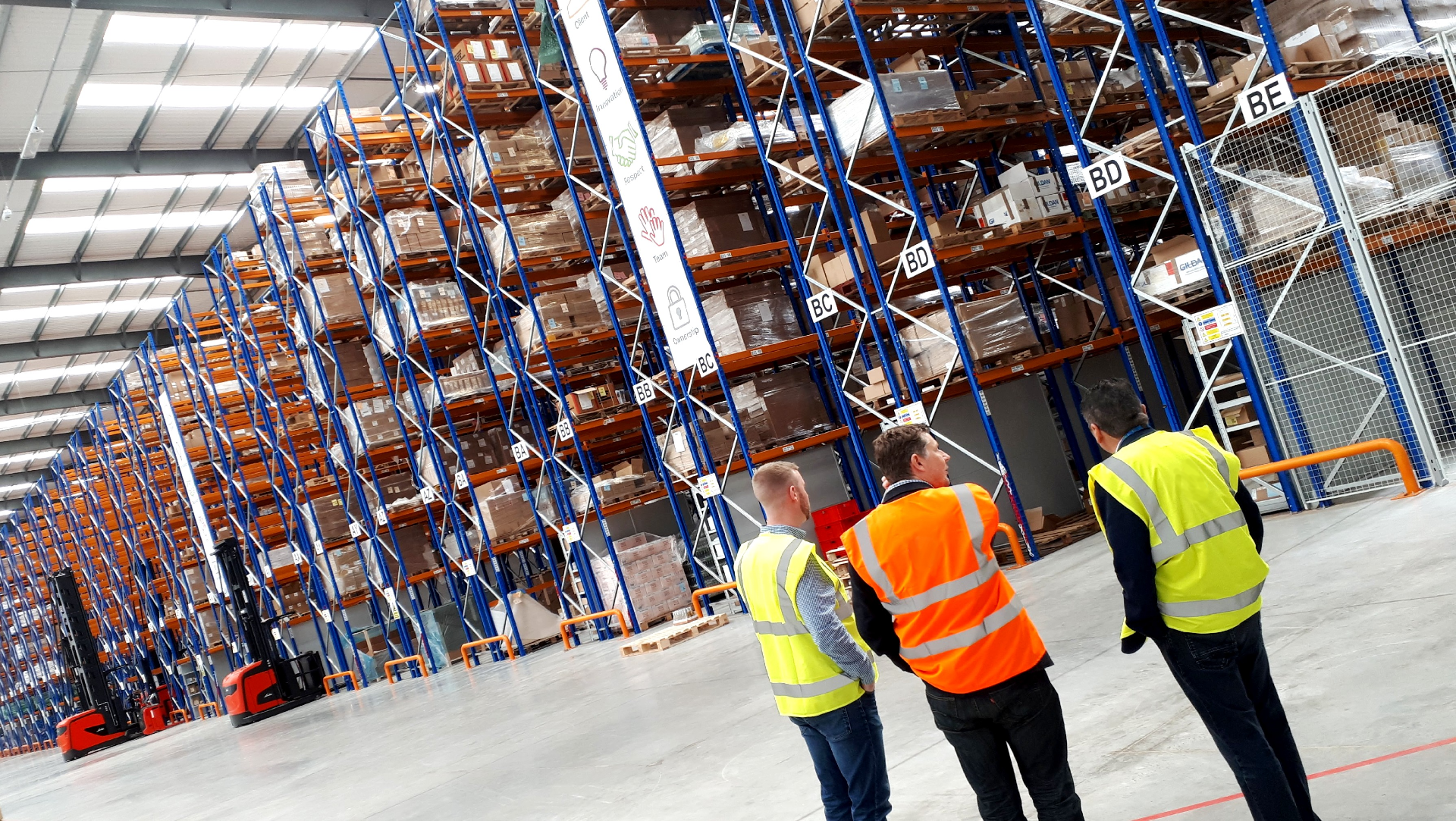

The hidden operational challenge behind omnichannel growth
Omnichannel retail has become the standard expectation for modern consumers.
Customers want the flexibility to discover, buy, receive and return products through the channels that suit them best. That might include ecommerce websites, marketplaces, social commerce platforms, retail stores, subscription services, wholesale routes or B2B accounts.
For brands, this creates a major growth opportunity.
But behind the scenes, omnichannel growth can also create significant operational complexity.
More channels often mean more orders, more stock movement, more fulfilment rules, more returns and more customer expectations to manage. Without the right fulfilment model, omnichannel growth can quickly create pressure across inventory, warehousing, delivery and customer service.
Why omnichannel growth is harder than it looks
From the customer’s perspective, omnichannel shopping should feel seamless.
A customer might discover a product on TikTok, compare it on a marketplace, buy through a brand website and return it through a different route. They expect the experience to feel consistent at every stage.
For brands, however, each channel can create a different operational requirement.
Marketplaces may demand strict service levels and fast tracking updates. Retail partners may require booking-in, labelling, delivery windows and paperwork. Ecommerce customers expect fast parcel delivery and clear communication. B2B accounts may need larger orders, recurring shipments or account-specific processes.
This means omnichannel fulfilment is not simply about selling through more places. It is about creating an operation that can manage different channels without losing control of stock, orders, dispatch, returns or customer experience.
Fragmented inventory creates inefficiency
One of the biggest challenges behind omnichannel growth is fragmented inventory.
Many brands still manage separate stock pools across different sales channels. One stock pool may support the ecommerce website, another may support marketplaces, another may be allocated for retail, while B2B or wholesale orders may be handled separately.
This can create several problems:
- Duplicated stock holding
- Reduced inventory visibility
- Higher operational costs
- Slower replenishment
- Overselling in one channel while stock sits elsewhere
- Inconsistent customer experiences
- More manual stock reconciliation
When inventory is fragmented, teams often struggle to understand what stock is genuinely available to sell.
This can affect forecasting, purchasing, replenishment, customer communication and fulfilment performance. It can also make it harder to respond quickly when demand shifts between channels.
A connected fulfilment operation helps reduce this complexity by giving brands a clearer view of stock and order movement across multiple sales routes.
Channel expectations are not the same
Every channel has its own fulfilment pressure.
Marketplaces usually expect fast dispatch, accurate tracking and strong seller performance. Retail partners may need compliance processes, labels, delivery windows, pallet preparation and booking management. Direct-to-consumer orders may require branded packaging, parcel delivery and simple returns. Social commerce can create sudden demand spikes. B2B orders may involve larger quantities, account-level rules and different delivery requirements.
A fulfilment process that works for one channel may not work for every channel.
That is why brands need to understand the operational detail behind each route to market.
As omnichannel operations grow, fulfilment teams need to manage different order profiles while maintaining accuracy, speed and visibility. Without the right process, teams can end up creating manual workarounds for each channel, which adds cost and increases the risk of error.
The goal should be to create a fulfilment model that can adapt to channel requirements without becoming fragmented.
Visibility becomes critical
As channel complexity increases, operational visibility becomes more important.
Brands need real-time or near real-time insight across inventory, orders, carrier performance, returns and fulfilment activity.
Without this visibility, teams may not know where stock is available, which orders are delayed, which channels are creating pressure, or where returns are affecting stock accuracy.
This can lead to slow decision-making and a weaker customer experience.
For omnichannel brands, visibility should cover:
- Inventory availability
- Stock movement
- Order flow
- Dispatch performance
- Tracking updates
- Returns status
- Carrier performance
- Channel-level fulfilment activity
- Warehouse capacity
Better visibility allows businesses to make faster decisions and improve operational responsiveness.
It also helps teams understand where demand is coming from, where service pressure is building and how fulfilment activity is affecting customer experience.
Why multichannel fulfilment is the operational foundation
Omnichannel growth depends on a strong multichannel fulfilment model.
While omnichannel often focuses on the customer experience across connected channels, multichannel fulfilment is the operational foundation that helps stock, orders, dispatch and returns move across those channels.
A connected multichannel fulfilment operation can help brands manage orders from ecommerce websites, marketplaces, retail partners, wholesale customers, B2B accounts and social commerce routes from one more controlled environment.
This reduces the need to split stock unnecessarily, duplicate warehouse processes or manually reconcile orders across several systems.
For growing brands, multichannel fulfilment can support:
- Clearer stock visibility
- Better order accuracy
- More consistent dispatch processes
- Improved returns handling
- Reduced manual administration
- Stronger channel performance
- Better customer experience
The result is a fulfilment operation that can support growth without every new sales channel becoming a separate operational problem.
eCommerce, retail, marketplace and B2B orders all need different handling
One of the most important parts of omnichannel fulfilment is understanding that not all orders are the same.
An ecommerce order may involve one or two items sent directly to a consumer. A marketplace order may need strict tracking and dispatch updates. A retail order may require pallet preparation, paperwork or delivery booking. A B2B order may involve larger quantities, account-specific rules or recurring delivery requirements.
This is why fulfilment partners need to support different order profiles from one operation.
eCommerce fulfilment focuses on online customer orders, pick and pack, dispatch, tracking and returns. B2B order fulfilment may involve larger orders, retail requirements, delivery windows and business customer expectations.
Omnichannel growth often requires both.
The fulfilment model needs to be flexible enough to manage each order type correctly while still giving the brand a clear view of stock, orders and returns.
Integrations make omnichannel fulfilment easier to manage
Omnichannel operations become much harder when systems are disconnected.
If orders are manually exported, stock updates are delayed or tracking information is not returned properly, teams can quickly lose visibility. This increases the risk of overselling, delayed dispatch, missed updates and customer service pressure.
Strong eCommerce integrations help connect sales platforms, marketplaces, business systems and fulfilment operations.
Integrations can support:
- Order sync
- Stock updates
- Inventory visibility
- Tracking updates
- Returns data
- Marketplace fulfilment
- Order management workflows
- ERP and WMS connections
For brands operating across several sales routes, integrations help reduce manual work and keep fulfilment data moving more clearly between systems.
This gives teams more control and helps support a more scalable omnichannel operation.
Returns become more complex across multiple channels
Returns are already a major operational challenge for ecommerce brands. Omnichannel growth makes them more complex.
Customers may buy through one channel and expect to return through another. Marketplace returns may follow one process, retail returns another, while direct-to-consumer returns may need a different workflow.
If returns are not managed clearly, brands can face delayed refunds, stock inaccuracies, additional customer service enquiries and poor customer experience.
Returns also affect inventory visibility. Returned stock needs to be received, inspected, reported and either restocked, refurbished, repacked or removed from sellable inventory.
A strong omnichannel fulfilment model should include clear returns processes across every channel.
That means reverse logistics should not sit outside the wider fulfilment strategy. It should be connected to stock visibility, customer communication and operational reporting.
Social commerce adds another layer of complexity
Social commerce channels such as TikTok Shop can create rapid and unpredictable demand.
A creator recommendation or viral product video can generate a sudden increase in orders, placing immediate pressure on inventory, warehouse teams, dispatch processes and customer service.
For brands already selling through ecommerce websites, marketplaces and retail partners, this adds another layer of fulfilment complexity.
The operation needs to respond quickly without losing accuracy or visibility.
This is especially important for beauty, wellness, lifestyle and consumer goods brands, where trends can move quickly and customer expectations are high.
Social commerce reinforces the need for a connected fulfilment model that can support demand spikes across multiple channels.
How 3PL services support omnichannel growth
Some brands reach a point where managing omnichannel operations internally becomes too complex.
Warehouse space becomes stretched. Order volumes increase. Stock visibility becomes harder to manage. Returns take more time. Internal teams spend more energy fixing operational issues than improving the customer experience.
This is often where 3PL services can help.
A 3PL partner can support warehousing, stock management, order fulfilment, distribution, carrier coordination, returns, reporting and value-added services.
For omnichannel brands, the right 3PL partner should be able to support different sales channels from one connected fulfilment model.
This can help brands reduce operational pressure, improve visibility and create a more scalable foundation for growth.
What brands should review before scaling omnichannel operations
Before expanding further across channels, brands should review whether their fulfilment operation is ready to support that growth.
Useful questions include:
- Do we have accurate inventory visibility across every sales channel?
- Are our stock pools connected or fragmented?
- Can our fulfilment operation manage ecommerce, marketplace, retail and B2B orders?
- Are our systems integrated properly?
- Can we return tracking information to customers and marketplaces?
- Can we manage returns across different channels?
- Do we have enough warehouse capacity and operational flexibility?
- Can we handle peak demand and sudden sales spikes?
- Are manual workarounds creating hidden costs?
- Would a 3PL partner help us scale more efficiently?
These questions help brands understand whether omnichannel growth is creating profitable scale or hidden operational strain.
Where Staci, Active Ants and Radial fit
At Staci, alongside Active Ants and Radial, and becoming Paxon, we support brands with fulfilment operations designed around ecommerce growth, marketplace complexity, retail requirements and changing customer expectations.
Staci supports flexible omnichannel and retail fulfilment operations, with expertise in value-added services, complex requirements, POS materials, B2B fulfilment and multichannel logistics.
Active Ants brings highly automated ecommerce fulfilment capabilities focused on speed, efficiency and order accuracy.
Radial supports scalable ecommerce fulfilment and customer experience operations designed around high-volume ecommerce environments.
Together, the combined network helps brands build fulfilment operations that support ecommerce, marketplace, retail, B2B and social commerce growth with greater visibility and agility.
For brands dealing with fragmented stock, disconnected systems, rising customer expectations or channel complexity, the right fulfilment model can become a strategic advantage.
Final thoughts
Omnichannel growth can unlock new revenue opportunities, but it also creates hidden operational challenges.
More channels can mean more stock movement, more fulfilment requirements, more returns, more delivery complexity and more customer service pressure.
The brands that scale successfully are those that treat omnichannel growth as both a commercial strategy and an operational strategy.
Connected inventory, fulfilment, integrations, dispatch and returns all need to work together.
When the operational foundation is strong, brands can grow across channels without losing control of customer experience, margin or fulfilment performance.
Frequently asked questions about omnichannel fulfilment
What is omnichannel fulfilment?
Omnichannel fulfilment is the process of managing stock, orders, dispatch and returns across connected sales channels, such as ecommerce websites, marketplaces, retail stores, social commerce platforms and B2B routes.
What is the difference between omnichannel and multichannel fulfilment?
Multichannel fulfilment usually refers to fulfilling orders across multiple sales channels. Omnichannel fulfilment is often used when those channels are more closely connected around one joined-up customer experience.
Why does omnichannel growth create operational complexity?
Omnichannel growth creates complexity because each channel can have different stock needs, order rules, delivery expectations, returns processes and reporting requirements.
How does inventory visibility support omnichannel fulfilment?
Inventory visibility helps brands understand what stock is available, where it is held, what has been allocated and what is being returned across multiple channels. This helps reduce overselling, stockouts and fragmented decision-making.
Why are integrations important for omnichannel fulfilment?
Integrations help orders, stock updates, tracking information and returns data move between sales platforms, marketplaces, business systems and fulfilment operations. This reduces manual work and improves operational visibility.
Can one fulfilment partner support ecommerce, retail and B2B orders?
Yes. A fulfilment partner with multichannel capability can support ecommerce, marketplace, retail, wholesale and B2B orders from one connected fulfilment operation.
How do returns affect omnichannel fulfilment?
Returns affect omnichannel fulfilment because returned products need to be received, inspected, reported and updated in stock records across different sales channels. Poor returns visibility can affect inventory accuracy and customer experience.
When should a brand consider a 3PL partner for omnichannel fulfilment?
A brand may benefit from a 3PL partner when order volumes increase, sales channels expand, stock visibility becomes harder to manage, returns create pressure or internal teams are relying too heavily on manual processes.
Need support with omnichannel or multichannel fulfilment?
If ecommerce, marketplace, retail, B2B or social commerce growth is creating operational complexity, Staci can help you explore a fulfilment model built around stock visibility, connected systems and scalable growth.